Roadside Assistance Services in San Antonio, TX
Overview of Roadside Assistance Operations
Roadside assistance in San Antonio, TX involves providing immediate support to drivers experiencing non-collision vehicle issues that prevent safe or continued travel. Classic Towing LLC structures roadside assistance services around rapid field response, enabling drivers to receive on-site help for common vehicle failures without requiring full towing in every situation.
Roadside assistance calls are typically initiated when a vehicle is disabled due to minor mechanical or operational issues that can be addressed at the location of the breakdown. These situations require dispatch coordination, equipped service vehicles, and trained response procedures that prioritize restoring vehicle mobility or preparing it for safe towing if necessary.
Service Request and Initial Dispatch
When a roadside assistance request is received, dispatch collects essential information such as vehicle type, exact location, and the nature of the issue. This information determines the type of response unit and tools required for the service call.
On-Site Situation Evaluation
Upon arrival, the service operator evaluates the condition of the vehicle and the surrounding environment. This includes checking whether the issue can be resolved on-site or if towing support will be required due to mechanical severity.
Common Roadside Assistance Service Types
Roadside assistance in San Antonio covers a wide range of vehicle-related issues that can occur without warning. Each type of service requires a specific procedure and equipment setup depending on the situation.
Collision-Related Towing
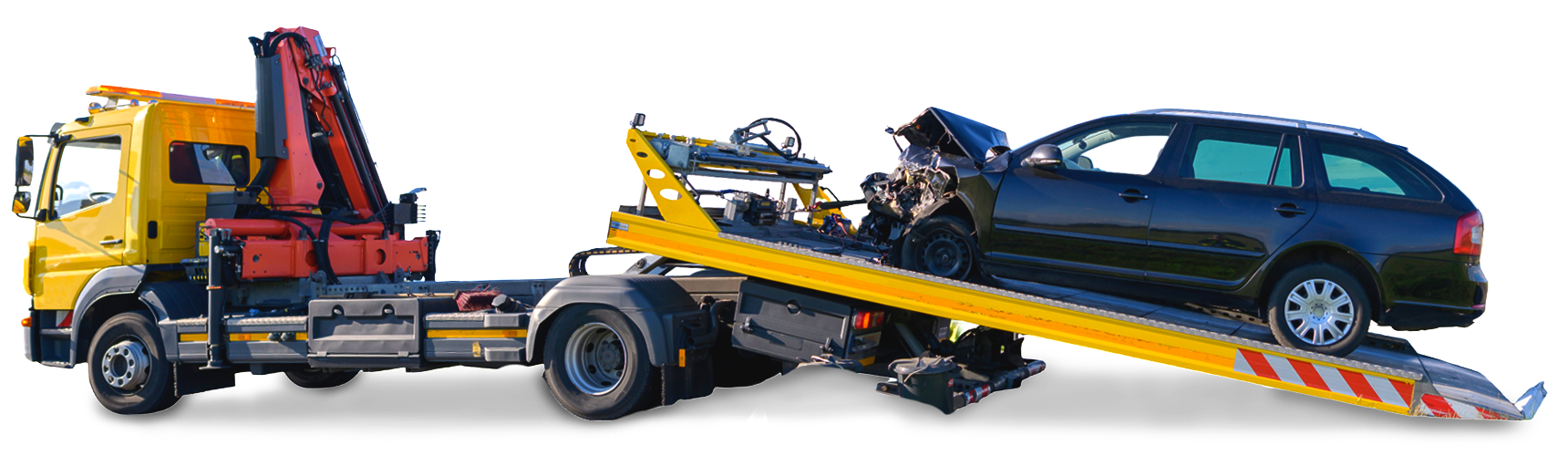
Accidents on highways such as I-10, I-35, and Loop 410 often require immediate towing to clear traffic lanes and prevent secondary incidents. These situations may involve vehicles with structural damage, fluid leaks, or compromised wheel alignment.
Mechanical Breakdown Recovery
Vehicles experiencing engine failure, transmission issues, or electrical malfunctions may become immobile in active traffic zones. Emergency towing is used to relocate these vehicles to repair facilities or secure storage locations.
Immobilized or Non-Drivable Vehicles
In cases where a vehicle cannot be safely operated due to locked brakes, flat tires, or steering failure, towing equipment is deployed to lift and transport the vehicle without further damage.
Off-Road or Difficult Access Recovery
Some emergency towing situations occur outside standard roadways, including embankments, ditches, or construction zones. These recoveries require controlled extraction techniques to reposition the vehicle for towing.
Battery Jump Start Services
Battery-related failures are one of the most frequent roadside issues. When a vehicle cannot start due to a depleted battery, a controlled jump-start procedure is performed using professional-grade power equipment to restore ignition capability without damaging electrical systems.
Tire Change and Flat Tire Support
Flat or damaged tires can render a vehicle unsafe to drive, especially on busy roads or highways. Roadside assistance includes removing the damaged tire and installing a spare when available, ensuring that torque and vehicle stability requirements are met before returning the vehicle to operation.
Vehicle Lockout Assistance
Lockout situations occur when vehicle keys are unintentionally left inside the car or lost entirely. In these cases, specialized entry tools are used to access the vehicle while minimizing potential damage to locking mechanisms or weather seals.
Fuel Delivery Support
Drivers who run out of fuel require immediate replenishment to avoid unsafe walking conditions or prolonged roadside exposure. Fuel delivery services provide enough fuel to reach the nearest station safely and resume travel.
Minor Mechanical Assistance
Some roadside issues involve small mechanical interruptions such as loose battery terminals, simple sensor resets, or minor component adjustments. When conditions allow, these issues are addressed on-site to restore vehicle function without towing intervention.

Dispatch Coordination and Response Workflow
Roadside assistance in San Antonio requires structured dispatch coordination to manage multiple service requests across urban and highway environments.
Location Tracking and Route Assignment
Once a call is logged, the service location is verified and mapped to determine the fastest accessible route. Traffic conditions and road accessibility are considered when assigning a response vehicle.
Equipment Preparation for Service Calls
Each roadside assistance unit is stocked with essential tools required for common service requests. Depending on the reported issue, dispatch ensures that the appropriate equipment is onboard before the unit is deployed.
Arrival and Service Execution
Upon reaching the location, the operator assesses safety conditions before initiating any repair or assistance procedure. This includes ensuring the vehicle is stable, positioned safely from traffic flow, and accessible for service work.
Highway and Urban Roadside Conditions
Roadside assistance in San Antonio operates across a wide range of environments, each requiring different response strategies based on traffic density and road design.
Interstate and Highway Response Areas
Major highways such as I-10, I-35, and Loop 1604 present high-speed traffic conditions where disabled vehicles must be addressed quickly. Roadside assistance in these areas focuses on minimizing exposure time and restoring mobility or preparing for towing when necessary.
City Street and Residential Service Areas
Urban and residential breakdowns often involve tighter access points and limited vehicle positioning space. These conditions require careful maneuvering of service vehicles and controlled work procedures to avoid blocking local traffic.
Commercial and Parking Structure Locations
Breakdowns in commercial districts or parking structures require additional navigation considerations due to restricted clearance heights and confined operating space. Service response in these areas is adjusted accordingly.
Safety Procedures During Roadside Assistance
Roadside assistance operations in San Antonio follow structured safety procedures designed to manage roadside risks and ensure controlled service execution.
Collision-Related Towing
Accidents on highways such as I-10, I-35, and Loop 410 often require immediate towing to clear traffic lanes and prevent secondary incidents. These situations may involve vehicles with structural damage, fluid leaks, or compromised wheel alignment.
Mechanical Breakdown Recovery
Vehicles experiencing engine failure, transmission issues, or electrical malfunctions may become immobile in active traffic zones. Emergency towing is used to relocate these vehicles to repair facilities or secure storage locations.
Immobilized or Non-Drivable Vehicles
In cases where a vehicle cannot be safely operated due to locked brakes, flat tires, or steering failure, towing equipment is deployed to lift and transport the vehicle without further damage.
Off-Road or Difficult Access Recovery
Some emergency towing situations occur outside standard roadways, including embankments, ditches, or construction zones. These recoveries require controlled extraction techniques to reposition the vehicle for towing.
Vehicle Positioning and Scene Control
Before any service begins, the service vehicle is positioned to provide a buffer between the disabled vehicle and active traffic lanes when possible. This helps stabilize the working environment during repairs or assistance procedures.
Controlled Equipment Use
All roadside tools and equipment are used according to operational standards to prevent damage to the vehicle or injury during service. Electrical and mechanical interventions are performed with controlled application to avoid system overload or secondary failures.
Environmental Condition Awareness
Weather, lighting, and traffic conditions are continuously assessed during service operations. Adjustments are made based on visibility, road surface conditions, and surrounding vehicle movement.
Service Coverage Across San Antonio
Roadside assistance services extend across San Antonio, TX, covering a wide range of driving environments from dense urban zones to extended highway corridors.
Central and Downtown Areas
High-traffic areas in central San Antonio often experience frequent vehicle stoppages due to congestion-related mechanical strain or battery drain from idling conditions.
Outlying Suburban Routes
Suburban and developing areas around the city include residential roads and expanding commercial zones where roadside assistance calls may involve longer travel distances for response units.
Regional Highway Network Coverage
Extended highway routes connecting San Antonio to surrounding regions require coordinated dispatch coverage to ensure timely response across greater distances and higher-speed travel environments.
Contact Classic Towing LLC Today
Roadside assistance in San Antonio, TX requires structured dispatch operations, precise field procedures, and adaptable response methods for a wide range of vehicle issues. Classic Towing LLC applies these operational standards to manage roadside service requests efficiently across urban streets, highways, and surrounding service areas.