Emergency Towing in San Antonio, TX
Emergency Towing Response Overview
Emergency towing in San Antonio, TX requires immediate coordination between dispatch, drivers, and on-scene assessment to safely manage disabled or inoperable vehicles. At Classic Towing LLC, emergency towing is structured around rapid response protocols designed to address roadside incidents that cannot be delayed due to safety risks, traffic conditions, or vehicle immobilization.
24/7 Dispatch Activation
Emergency towing requests are processed through continuous dispatch availability. Once a call is received, location details, vehicle condition, and situational hazards are logged to determine the appropriate tow equipment and response route.
On-Scene Assessment Prior to Towing
Before any towing begins, the driver evaluates vehicle positioning, traffic exposure, and mechanical condition. This step ensures that the towing method aligns with the specific circumstances of the breakdown or accident scene.
Types of Emergency Towing Situations Handled
Emergency towing situations in San Antonio vary widely depending on traffic density, weather conditions, and roadway type. Each scenario requires a different operational approach to ensure safe vehicle removal and roadway clearance.
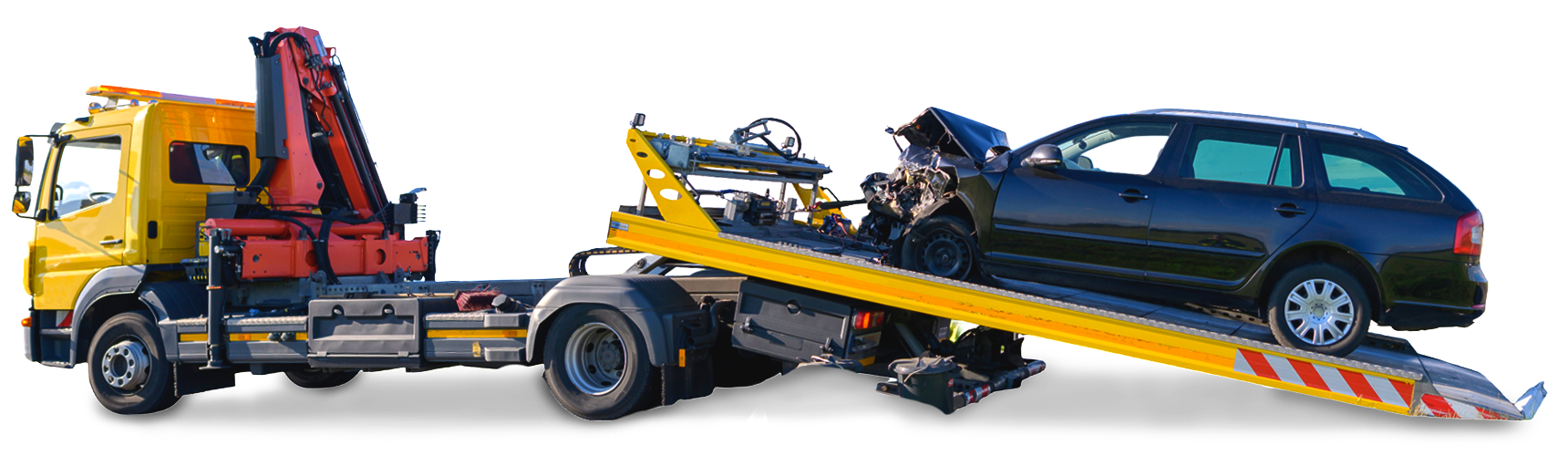
Collision-Related Towing
Accidents on highways such as I-10, I-35, and Loop 410 often require immediate towing to clear traffic lanes and prevent secondary incidents. These situations may involve vehicles with structural damage, fluid leaks, or compromised wheel alignment.
Mechanical Breakdown Recovery
Vehicles experiencing engine failure, transmission issues, or electrical malfunctions may become immobile in active traffic zones. Emergency towing is used to relocate these vehicles to repair facilities or secure storage locations.
Immobilized or Non-Drivable Vehicles
In cases where a vehicle cannot be safely operated due to locked brakes, flat tires, or steering failure, towing equipment is deployed to lift and transport the vehicle without further damage.
Off-Road or Difficult Access Recovery
Some emergency towing situations occur outside standard roadways, including embankments, ditches, or construction zones. These recoveries require controlled extraction techniques to reposition the vehicle for towing.
Collision-Related Towing
Accidents on highways such as I-10, I-35, and Loop 410 often require immediate towing to clear traffic lanes and prevent secondary incidents. These situations may involve vehicles with structural damage, fluid leaks, or compromised wheel alignment.
Mechanical Breakdown Recovery
Vehicles experiencing engine failure, transmission issues, or electrical malfunctions may become immobile in active traffic zones. Emergency towing is used to relocate these vehicles to repair facilities or secure storage locations.
Immobilized or Non-Drivable Vehicles
In cases where a vehicle cannot be safely operated due to locked brakes, flat tires, or steering failure, towing equipment is deployed to lift and transport the vehicle without further damage.
Off-Road or Difficult Access Recovery
Some emergency towing situations occur outside standard roadways, including embankments, ditches, or construction zones. These recoveries require controlled extraction techniques to reposition the vehicle for towing.
Dispatch and Arrival Process in San Antonio
Emergency towing in San Antonio follows a structured dispatch and arrival process to reduce response delays and ensure proper resource allocation.
Location Verification and Routing
Once a service request is received, the exact location is verified using caller-provided details and available mapping data. Routing is then optimized based on current traffic flow and road conditions.
Equipment Assignment Based on Incident Type
Different towing equipment is assigned depending on vehicle size and condition. Light-duty tow trucks are typically used for standard passenger vehicles, while heavier equipment may be dispatched for larger vehicles or complex recovery scenarios.
Arrival and Scene Stabilization
Upon arrival, the towing operator first ensures the surrounding area is stable for operation. This may include positioning the tow truck to shield the scene from traffic or coordinating with roadside conditions to maintain visibility and safety.
Vehicle Handling and Safety Procedures
Emergency towing operations require controlled handling methods to prevent further damage to vehicles already compromised by breakdown or collision.
Vehicle Securing Methods
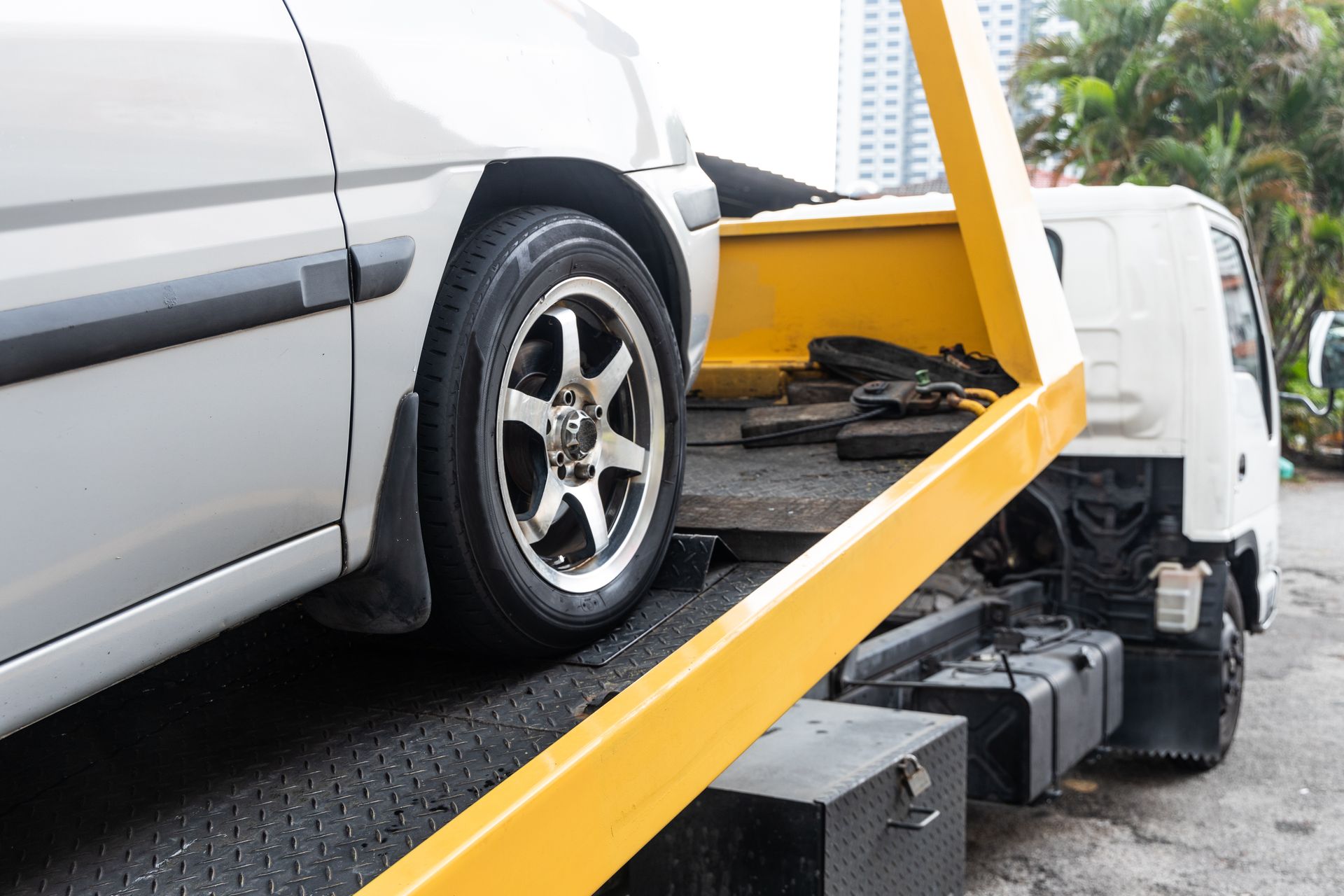
Vehicles are secured using standard towing attachment points, ensuring stability during lifting and transport. Wheel-lift or flatbed loading techniques may be applied depending on vehicle condition.
Damage Prevention Protocols
Special attention is given to low-clearance vehicles, all-wheel-drive systems, and vehicles with suspension damage. Proper loading angles and stabilization techniques are used to reduce mechanical stress during transport.
Roadway Safety Considerations
During towing operations, safety protocols are followed to manage traffic exposure. This includes hazard signaling, controlled loading zones, and minimizing time spent in active lanes.
Service Coverage and Roadside Conditions in San Antonio
Emergency towing services in San Antonio, TX operate across a wide range of roadway environments, from dense urban streets to high-speed interstate corridors.
Urban Road Response Areas
City streets in downtown San Antonio, residential districts, and commercial zones often present tight maneuvering conditions. Emergency towing in these areas requires careful navigation and positioning to avoid obstructing traffic flow.
Highway and Interstate Coverage
Major routes such as I-10, I-35, and Loop 1604 frequently experience high traffic volume and require rapid clearance of disabled vehicles. Emergency towing operations in these areas prioritize minimizing lane obstruction time.
Weather and Environmental Factors
Weather conditions such as heavy rain or heat can affect vehicle breakdown frequency and roadside safety. Emergency towing procedures are adjusted based on visibility, road traction, and surface conditions at the time of service.
Contact Classic Towing LLC Today
Emergency towing in San Antonio, TX requires structured coordination, controlled execution, and precise vehicle handling from dispatch to final delivery. Classic Towing LLC operates within these operational requirements to manage roadside incidents efficiently and safely across varying conditions and locations.