Accident Recovery Services in San Antonio, TX
Accident Recovery Operations Overview
Accident recovery in San Antonio, TX involves the controlled removal, stabilization, and transport of vehicles that have been involved in collisions or roadway incidents. Classic Towing LLC provides accident recovery services designed to manage vehicles that may be damaged, disabled, or positioned in unsafe or obstructive locations following a traffic incident.
Accident recovery differs from standard towing because it often requires immediate scene assessment, coordination with traffic conditions, and careful handling of structurally compromised vehicles. Each recovery operation is structured to prioritize safe removal from active roadways while preventing additional damage during the process.
Emergency Dispatch and Incident Intake
When an accident recovery request is received, dispatch collects essential information such as location, vehicle condition, number of vehicles involved, and roadway hazards. This information is used to determine response urgency and equipment requirements.
Initial Scene Evaluation Upon Arrival
Once on-site, the recovery operator evaluates the accident scene, including vehicle positioning, fluid leaks, debris spread, and traffic exposure. This evaluation determines the safest recovery strategy before any movement begins.
Types of Accident Recovery Situations
Accident recovery services in San Antonio cover a wide range of collision scenarios involving different vehicle types and levels of damage severity.
Collision-Related Towing
Accidents on highways such as I-10, I-35, and Loop 410 often require immediate towing to clear traffic lanes and prevent secondary incidents. These situations may involve vehicles with structural damage, fluid leaks, or compromised wheel alignment.
Mechanical Breakdown Recovery
Vehicles experiencing engine failure, transmission issues, or electrical malfunctions may become immobile in active traffic zones. Emergency towing is used to relocate these vehicles to repair facilities or secure storage locations.
Immobilized or Non-Drivable Vehicles
In cases where a vehicle cannot be safely operated due to locked brakes, flat tires, or steering failure, towing equipment is deployed to lift and transport the vehicle without further damage.
Off-Road or Difficult Access Recovery
Some emergency towing situations occur outside standard roadways, including embankments, ditches, or construction zones. These recoveries require controlled extraction techniques to reposition the vehicle for towing.
Rear-End and Intersection Collisions
Common in urban traffic areas, these accidents often involve vehicles with front or rear structural damage that prevents safe driving. Recovery operations focus on clearing vehicles from intersections and restoring traffic flow.
Highway and High-Speed Incidents
Accidents occurring on highways such as I-10, I-35, and Loop 1604 often involve higher impact damage and greater roadway obstruction. These situations require rapid clearance due to traffic volume and speed conditions.
Multi-Vehicle Collisions
Pileups or chain-reaction accidents require coordinated recovery of multiple vehicles. Each vehicle is assessed individually to determine the safest removal order and towing method.
Off-Road and Embankment Incidents
Some accidents result in vehicles leaving the roadway and entering ditches, medians, or uneven terrain. Recovery in these situations requires controlled extraction to prevent further structural damage.
Accident Scene Stabilization and Control
Accident recovery in San Antonio requires structured stabilization procedures to ensure the scene remains safe for both operators and passing traffic.
Hazard Identification and Area Assessment
Before recovery begins, hazards such as leaking fluids, broken glass, or unstable vehicle positioning are identified. These factors influence the recovery approach and equipment selection.
Traffic Exposure Management
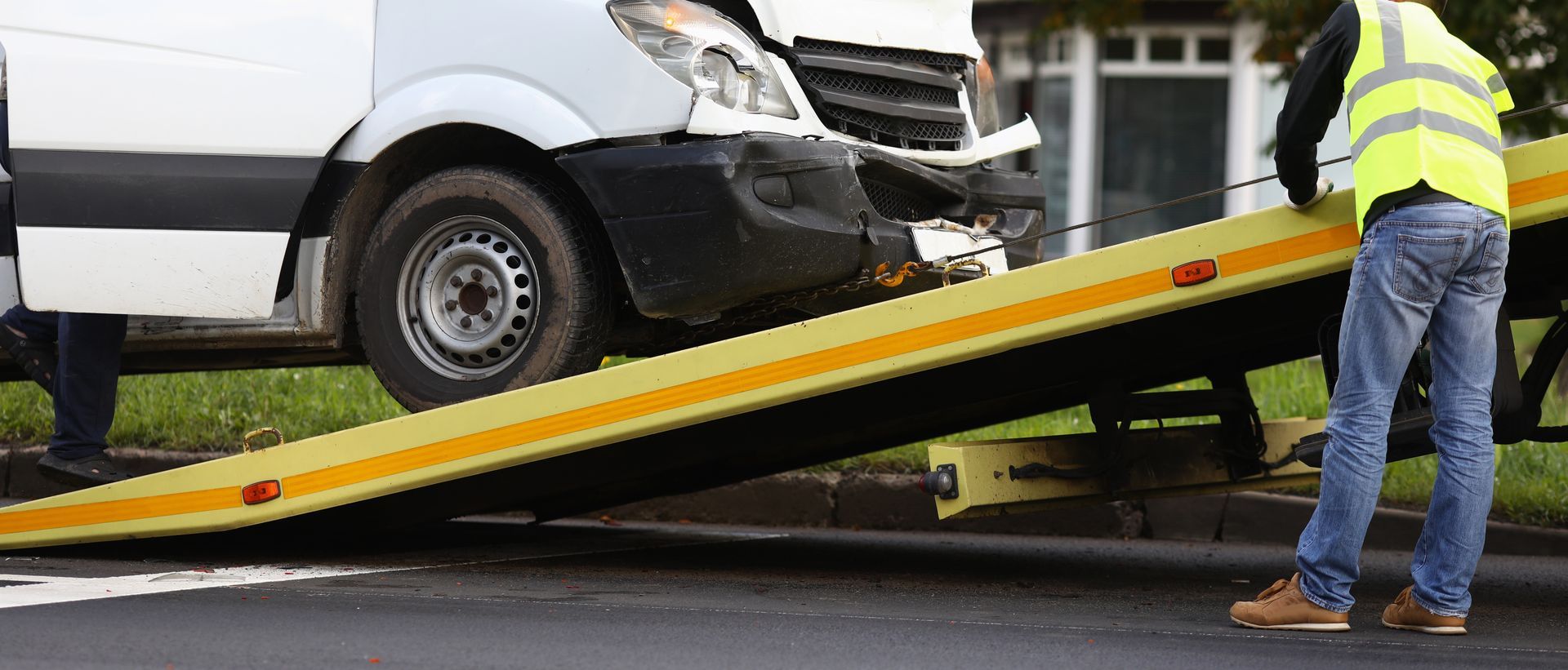
Recovery vehicles are positioned to create a controlled buffer between active traffic and the accident scene. This helps reduce risk during loading and vehicle movement operations.
Debris and Obstruction Clearance
When necessary, loose debris is cleared from the recovery area to create safe access points for towing equipment and prevent additional hazards during vehicle extraction.
Vehicle Recovery and Loading Procedures
Accident recovery requires precise handling methods to safely move damaged vehicles without worsening structural or mechanical conditions.
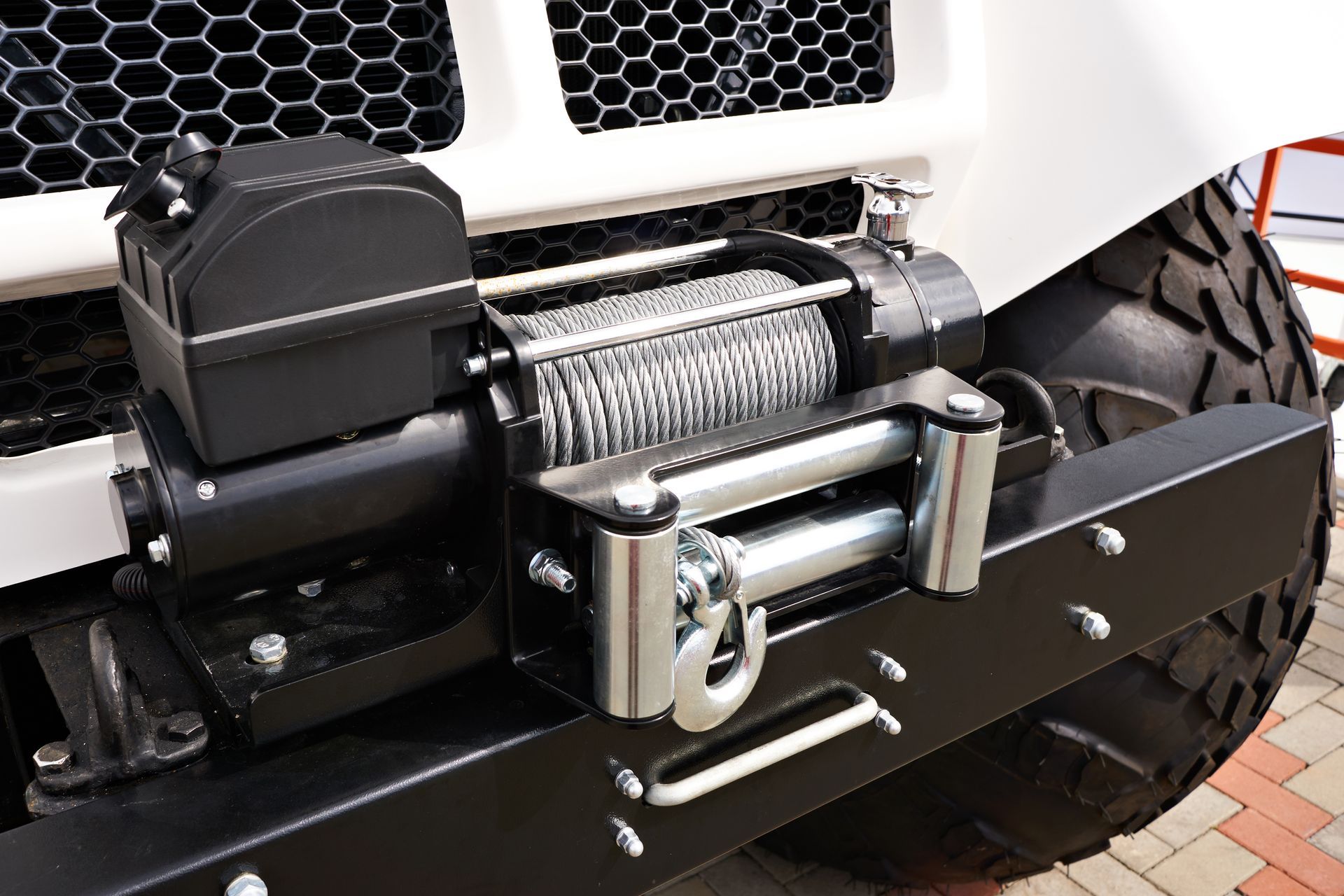
Controlled Winching and Extraction
Vehicles that are immobile or positioned off-road may require winching systems for controlled extraction. Cable tension and anchor points are carefully managed to avoid further damage.
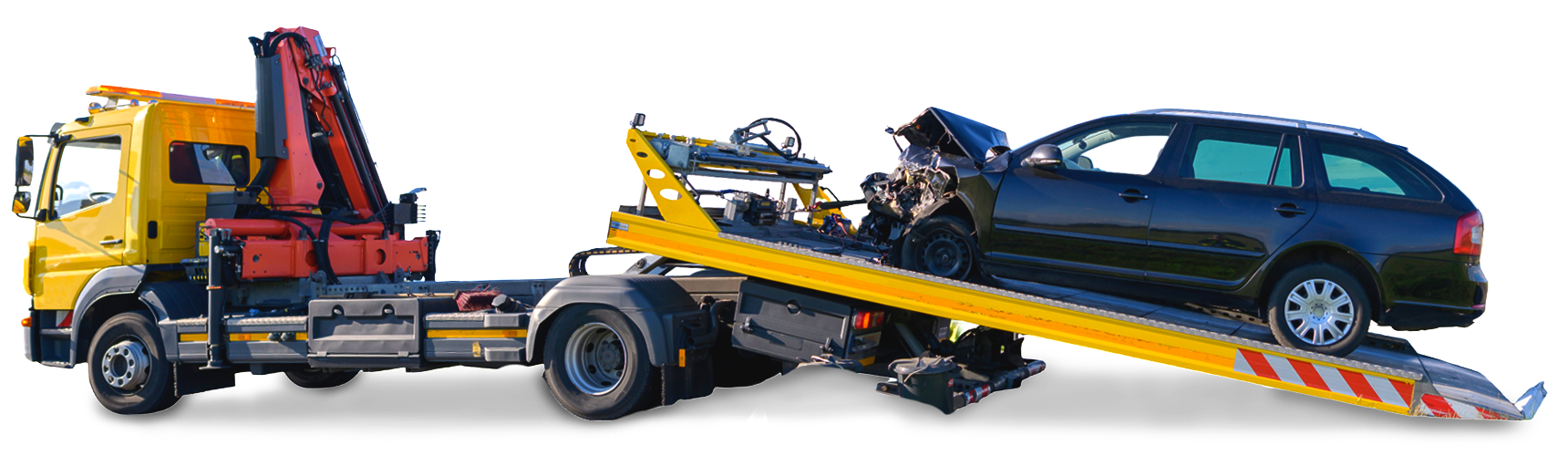
Flatbed Loading for Damaged Vehicles
When vehicles cannot be safely rolled or driven, flatbed towing is used to load the vehicle onto a stable platform. This prevents additional strain on damaged wheels or suspension systems.
Wheel-Lift Positioning Techniques
For vehicles with partial mobility, wheel-lift systems may be used to safely elevate and transport the vehicle while minimizing contact with damaged areas.
Stabilization of Compromised Frames
Vehicles with structural damage require additional stabilization during loading to ensure that weight distribution does not worsen frame distortion or alignment issues.
Highway Accident Recovery Operations
Accident recovery on San Antonio highways requires rapid response and coordinated execution due to high-speed traffic conditions and limited roadside space.
Interstate Incident Management
High-volume roadways such as I-10, I-35, and Loop 410 require fast clearance procedures to prevent secondary accidents and traffic congestion buildup.
Lane Clearance and Flow Restoration
One of the primary goals of highway accident recovery is restoring traffic flow as quickly as possible by removing obstructing vehicles from active lanes.
Coordination with Road Conditions
Weather, visibility, and traffic density are continuously assessed during recovery operations to adjust procedures and maintain safe working conditions.
Safety Procedures in Accident Recovery
Accident recovery operations in San Antonio follow strict safety protocols due to the unpredictable nature of collision scenes and vehicle damage conditions.
Collision-Related Towing
Accidents on highways such as I-10, I-35, and Loop 410 often require immediate towing to clear traffic lanes and prevent secondary incidents. These situations may involve vehicles with structural damage, fluid leaks, or compromised wheel alignment.
Mechanical Breakdown Recovery
Vehicles experiencing engine failure, transmission issues, or electrical malfunctions may become immobile in active traffic zones. Emergency towing is used to relocate these vehicles to repair facilities or secure storage locations.
Immobilized or Non-Drivable Vehicles
In cases where a vehicle cannot be safely operated due to locked brakes, flat tires, or steering failure, towing equipment is deployed to lift and transport the vehicle without further damage.
Off-Road or Difficult Access Recovery
Some emergency towing situations occur outside standard roadways, including embankments, ditches, or construction zones. These recoveries require controlled extraction techniques to reposition the vehicle for towing.
Scene Protection and Operator Safety
Operators establish a controlled working zone before recovery begins. This includes positioning recovery vehicles to shield the scene and reduce exposure to moving traffic.
Structural Damage Awareness
Vehicles involved in accidents may have hidden damage that affects stability. Careful inspection is performed before any lifting or towing begins.
Controlled Equipment Operation
All recovery tools, including winches and hydraulic systems, are operated under controlled conditions to prevent sudden shifts or additional damage during movement.
Transport and Post-Recovery Handling
After accident recovery, vehicles must be safely transported to repair facilities, insurance holding yards, or designated storage locations.
Secure Transport Procedures
Recovered vehicles are secured using proper tie-down systems to prevent movement during transit, especially if structural damage affects balance or alignment.
Route Planning for Damaged Vehicles
Transport routes are selected based on road conditions and distance to minimize vibration and movement stress on the damaged vehicle.
Final Delivery and Placement
Upon arrival, vehicles are carefully unloaded and positioned according to facility requirements for inspection, repair, or storage processing.
Contact Classic Towing LLC Today
Accident recovery in San Antonio, TX requires structured coordination, precise handling, and controlled transport procedures to manage damaged vehicles safely. Classic Towing LLC applies these operational standards to ensure efficient roadway clearance and secure vehicle recovery across highways, intersections, and complex accident scenes.