Commercial Towing Services in San Antonio, TX
Commercial Towing Service Overview
Commercial towing in San Antonio, TX involves the transport and recovery of business-owned vehicles that are essential to daily operations, logistics, and service delivery. Classic Towing LLC provides commercial towing services designed to support fleets, contractors, delivery operations, and other business-related transportation needs requiring controlled and reliable vehicle movement.
Commercial towing operations differ from standard towing due to the variety of vehicle sizes, operational demands, and time-sensitive requirements associated with business continuity. Each service call requires structured dispatch coordination and equipment selection based on vehicle type and load conditions.
Dispatch Coordination and Service Intake
When a commercial towing request is received, dispatch gathers key operational details including vehicle type, location, urgency level, and any cargo considerations. This information is used to assign the appropriate towing unit and response strategy.
On-Site Operational Assessment
Upon arrival, the operator evaluates the vehicle’s condition and operational environment. This includes determining whether the vehicle is disabled, partially operable, or involved in a roadside incident affecting traffic flow or delivery schedules.
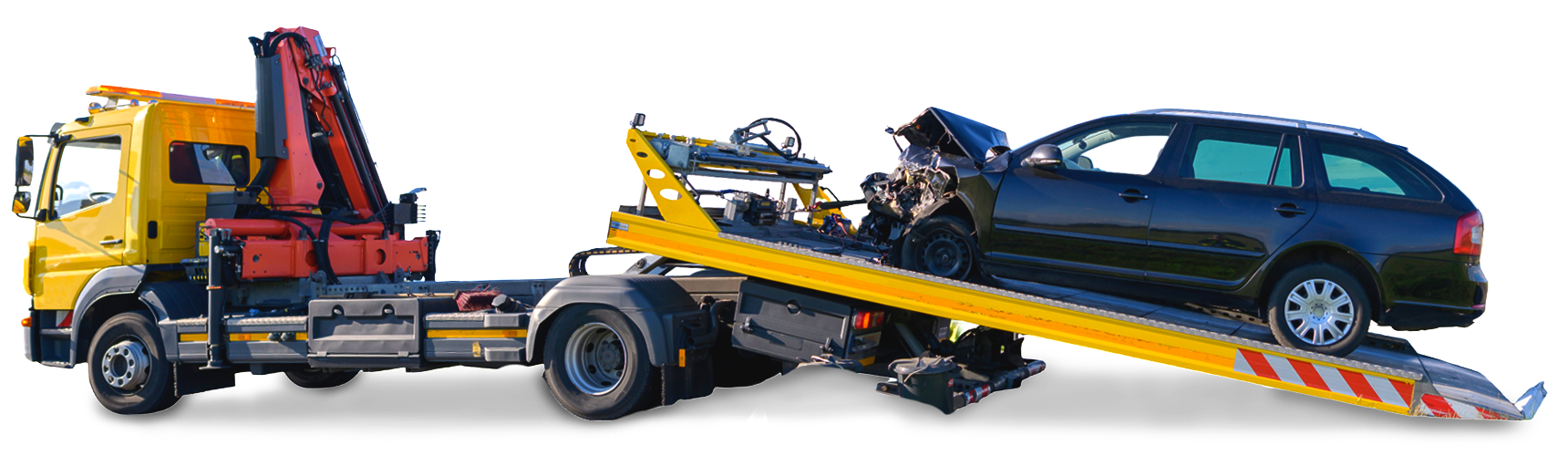
Types of Commercial Vehicles Serviced
Commercial towing in San Antonio covers a wide range of business and fleet vehicles used across transportation, construction, and service industries.
Collision-Related Towing
Accidents on highways such as I-10, I-35, and Loop 410 often require immediate towing to clear traffic lanes and prevent secondary incidents. These situations may involve vehicles with structural damage, fluid leaks, or compromised wheel alignment.
Mechanical Breakdown Recovery
Vehicles experiencing engine failure, transmission issues, or electrical malfunctions may become immobile in active traffic zones. Emergency towing is used to relocate these vehicles to repair facilities or secure storage locations.
Immobilized or Non-Drivable Vehicles
In cases where a vehicle cannot be safely operated due to locked brakes, flat tires, or steering failure, towing equipment is deployed to lift and transport the vehicle without further damage.
Off-Road or Difficult Access Recovery
Some emergency towing situations occur outside standard roadways, including embankments, ditches, or construction zones. These recoveries require controlled extraction techniques to reposition the vehicle for towing.
Delivery and Cargo Vans
Cargo vans used for logistics, delivery services, and mobile operations may require towing due to engine failure, transmission issues, or accident damage. These vehicles often require careful handling to avoid disruption to scheduled deliveries or stored equipment.
Box Trucks and Medium-Duty Fleet Vehicles
Box trucks used by moving companies, retailers, and logistics providers often require commercial towing due to mechanical breakdowns or roadside incidents. These vehicles require specialized loading procedures due to their height and weight distribution.
Service and Utility Trucks
Work trucks used by electricians, plumbers, HVAC technicians, and utility companies may become disabled while carrying equipment. Towing procedures must account for secured cargo and vehicle weight balance.
Construction and Contractor Vehicles
Contractor vehicles, including dump trucks and equipment transport units, often require towing due to mechanical issues or job site immobilization. These recoveries may involve off-road access conditions.
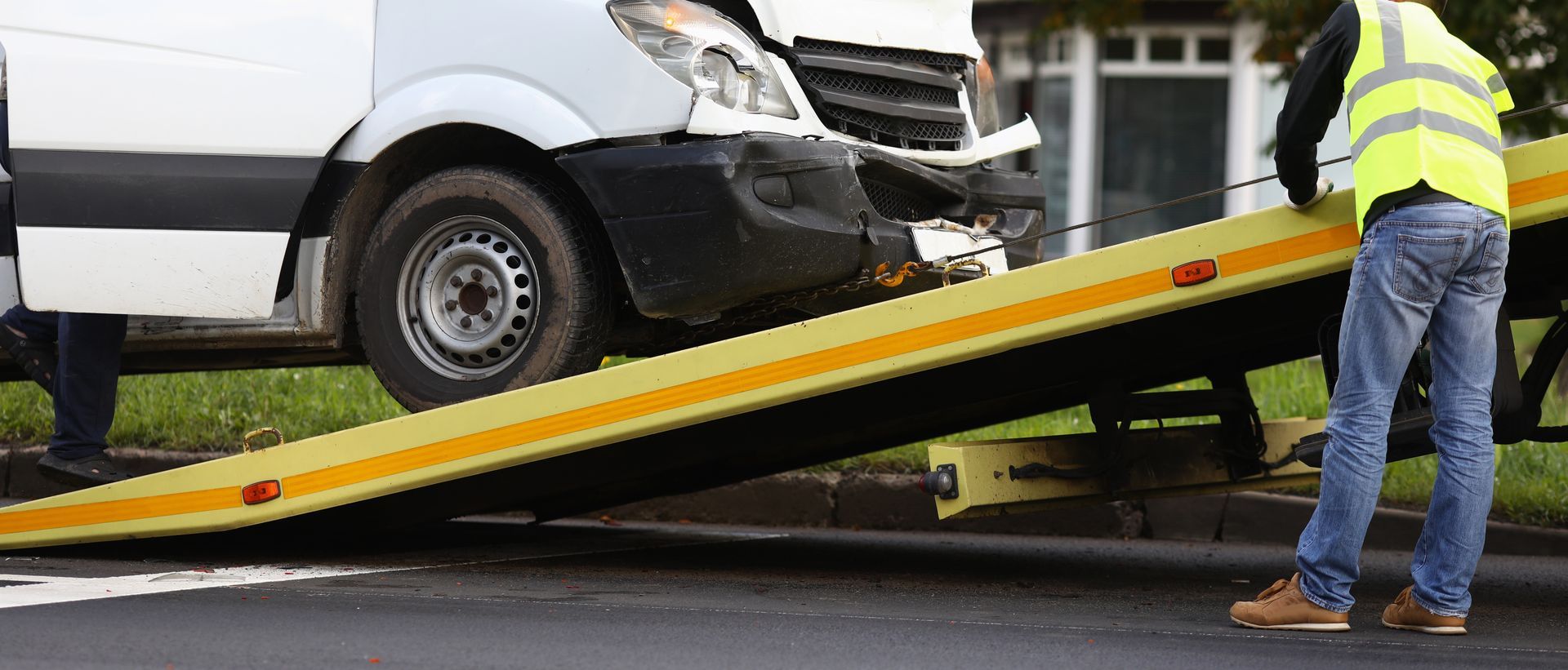
Commercial Fleet Breakdown and Recovery Situations
Commercial towing in San Antonio often involves time-sensitive recovery situations where minimizing operational downtime is a priority.
Highway Breakdown Recovery
Commercial vehicles traveling on highways such as I-10, I-35, and Loop 410 may experience mechanical failure while in transit. Recovery in these cases focuses on quick clearance and safe transport to reduce traffic disruption.
Job Site Immobilization
Construction and service vehicles may become disabled at active job sites due to mechanical failure or terrain conditions. Recovery often requires on-site extraction and controlled towing from uneven surfaces.
Urban Delivery Route Failures
Delivery vehicles operating in dense urban areas may experience breakdowns in traffic-heavy zones. These situations require careful navigation and rapid response to avoid delivery delays and roadway obstruction.
Fleet-Wide Service Disruptions
Occasionally, multiple vehicles within a fleet may require towing due to shared mechanical issues, weather impacts, or operational strain. Coordinated dispatch is used to manage multiple recovery units efficiently.
Commercial Towing Equipment and Procedures
Commercial towing operations require specialized equipment designed to handle increased vehicle weight, size variations, and load sensitivity.
Flatbed Transport Systems
Flatbed towing is commonly used for commercial vehicles that cannot safely roll or steer. This method ensures full vehicle stability during transport and reduces wear on damaged components.
Heavy-Duty Wheel-Lift Systems
Wheel-lift systems are used for certain commercial vehicles that can be safely elevated from the axle without causing structural stress. This method is often used for short-distance relocations.
Load Stabilization Techniques
Proper weight distribution and securement methods are applied to prevent cargo shift or vehicle instability during transport. This is especially important for vehicles carrying tools, materials, or equipment.
Secure Tie-Down Procedures
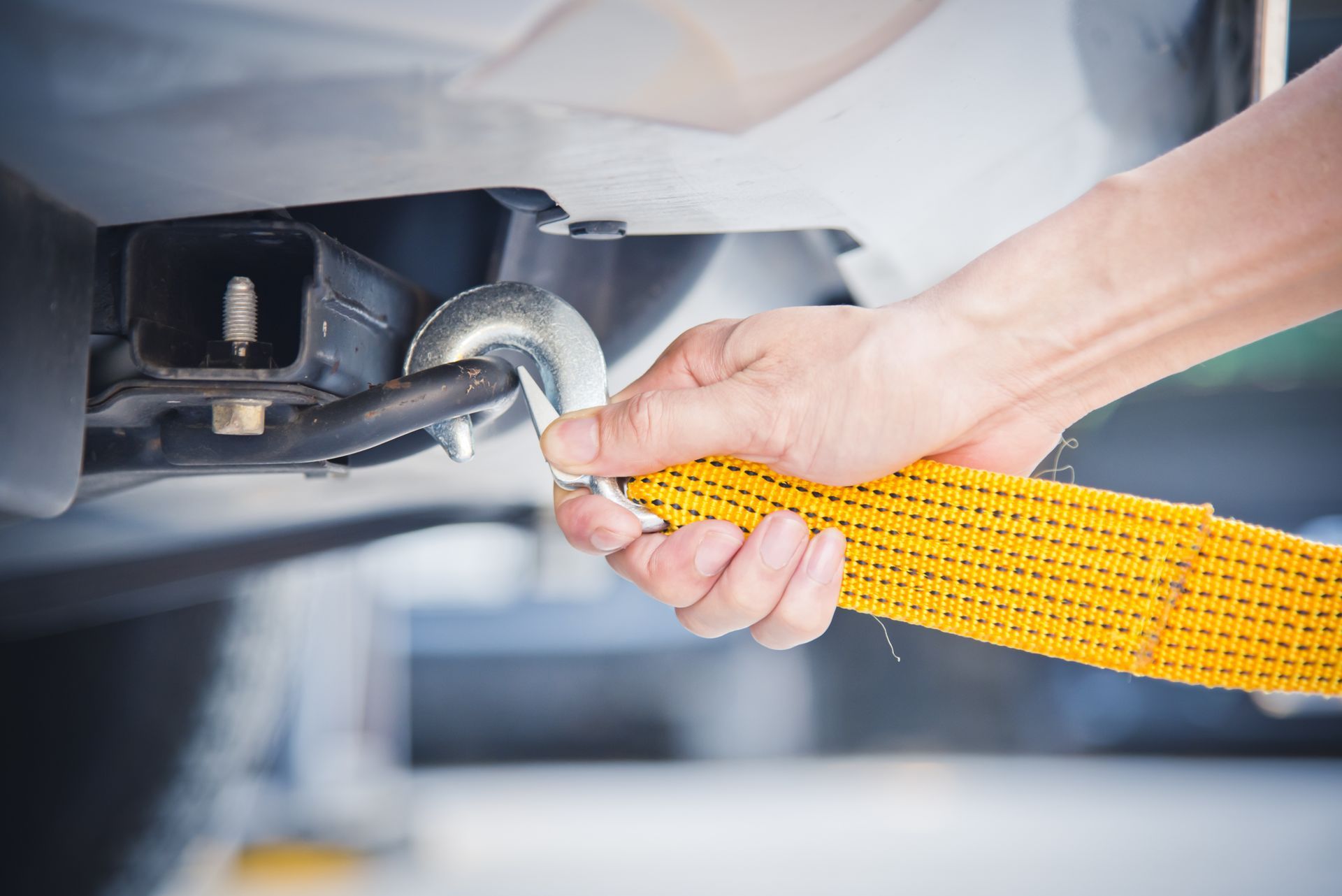
Commercial vehicles are secured using reinforced straps and chains designed to handle higher load capacities. Securement points are carefully selected based on vehicle frame structure.
Dispatch and Fleet Coordination Workflow
Commercial towing in San Antonio requires structured coordination to support business operations and minimize downtime.
Priority-Based Response Allocation
Service requests are prioritized based on urgency, vehicle function, and operational impact. Vehicles critical to active service routes or deliveries may receive expedited dispatch.
Route Planning for Commercial Transport
Routes are selected based on road restrictions, clearance height, and traffic conditions to ensure safe movement of larger vehicles across San Antonio road networks.
Multi-Vehicle Fleet Support
For businesses with multiple vehicles, coordinated towing schedules may be arranged to manage breakdown clusters or fleet relocation needs efficiently.
Safety Procedures in Commercial Towing
Commercial towing operations require strict safety protocols due to vehicle size, cargo presence, and roadway exposure conditions.
Collision-Related Towing
Accidents on highways such as I-10, I-35, and Loop 410 often require immediate towing to clear traffic lanes and prevent secondary incidents. These situations may involve vehicles with structural damage, fluid leaks, or compromised wheel alignment.
Mechanical Breakdown Recovery
Vehicles experiencing engine failure, transmission issues, or electrical malfunctions may become immobile in active traffic zones. Emergency towing is used to relocate these vehicles to repair facilities or secure storage locations.
Immobilized or Non-Drivable Vehicles
In cases where a vehicle cannot be safely operated due to locked brakes, flat tires, or steering failure, towing equipment is deployed to lift and transport the vehicle without further damage.
Off-Road or Difficult Access Recovery
Some emergency towing situations occur outside standard roadways, including embankments, ditches, or construction zones. These recoveries require controlled extraction techniques to reposition the vehicle for towing.
Scene Safety and Traffic Control
Before towing begins, the recovery operator establishes a controlled working environment to reduce exposure to passing traffic and maintain operational safety.
Cargo Awareness and Handling
If cargo is present, care is taken to ensure it remains stable during loading and transport. This includes checking load security before initiating movement.
Mechanical Stress Prevention
Vehicles are handled in a way that prevents additional strain on already compromised systems, especially for vehicles with drivetrain or suspension issues.
Transport and Delivery of Commercial Vehicles
After recovery, commercial vehicles are transported to repair facilities, fleet depots, or designated business locations depending on operational requirements.
Controlled Transport Execution
Vehicles are monitored throughout transit to ensure stability and prevent shifting caused by road conditions or weight imbalance.
Fleet Facility Delivery
Recovered vehicles are often delivered directly to fleet maintenance yards for inspection and repair scheduling to minimize downtime.
Final Positioning and Offloading
Upon arrival, vehicles are carefully unloaded and positioned for inspection, repair, or redeployment into service operations.
Contact Classic Towing LLC Today
Commercial towing in San Antonio, TX requires structured dispatch coordination, specialized transport equipment, and controlled recovery procedures to support business operations. Classic Towing LLC applies these operational standards to handle fleet vehicles, commercial breakdowns, and work-related transport needs across the region.